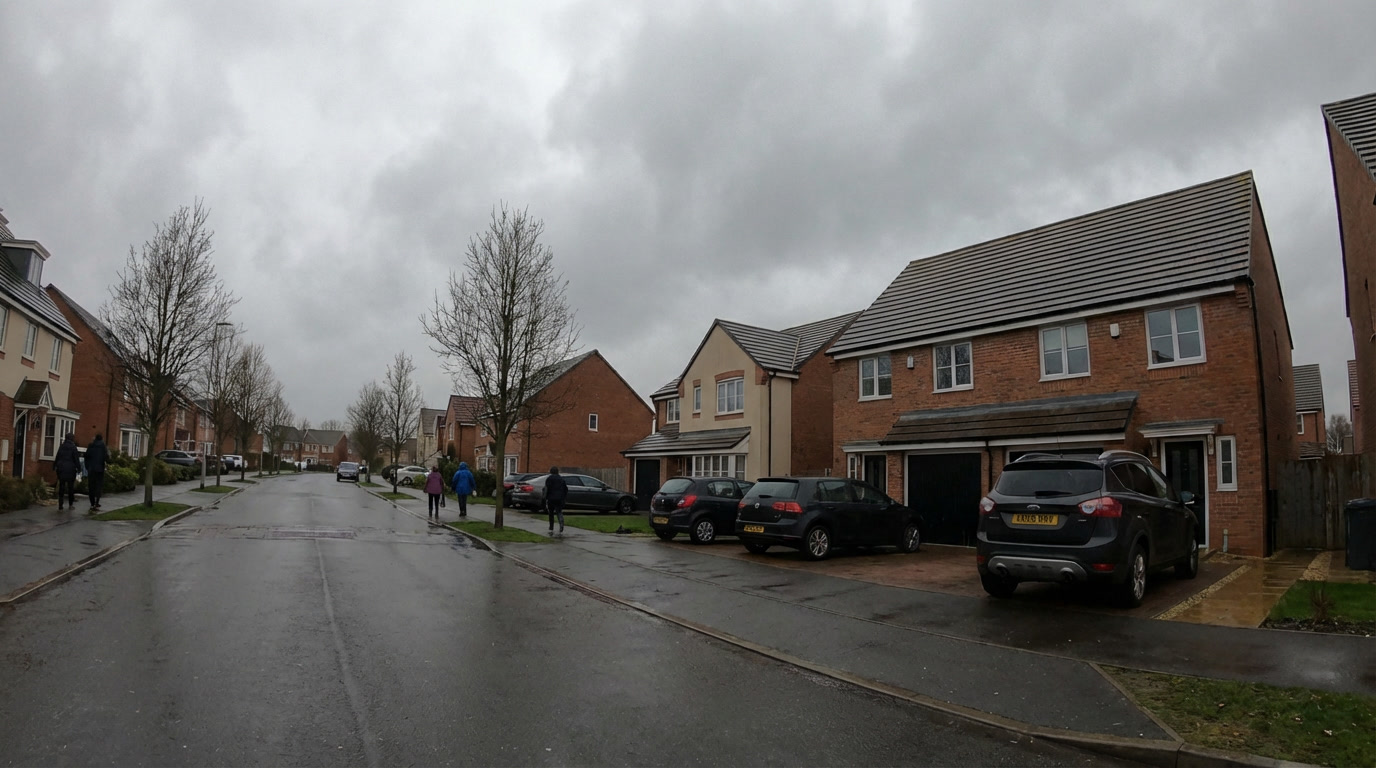
At 7:42 a.m. in eastern Shanghai, traffic roars as usual along Yan’an Road. Trucks rumble past, office workers hurry across crossings, and survey engineer Li checks a laser level set up on the pavement. Twenty years ago, this stretch of concrete was sinking millimeter by millimeter. Today, the numbers barely move.
Nothing dramatic happened. No sirens. No headlines.
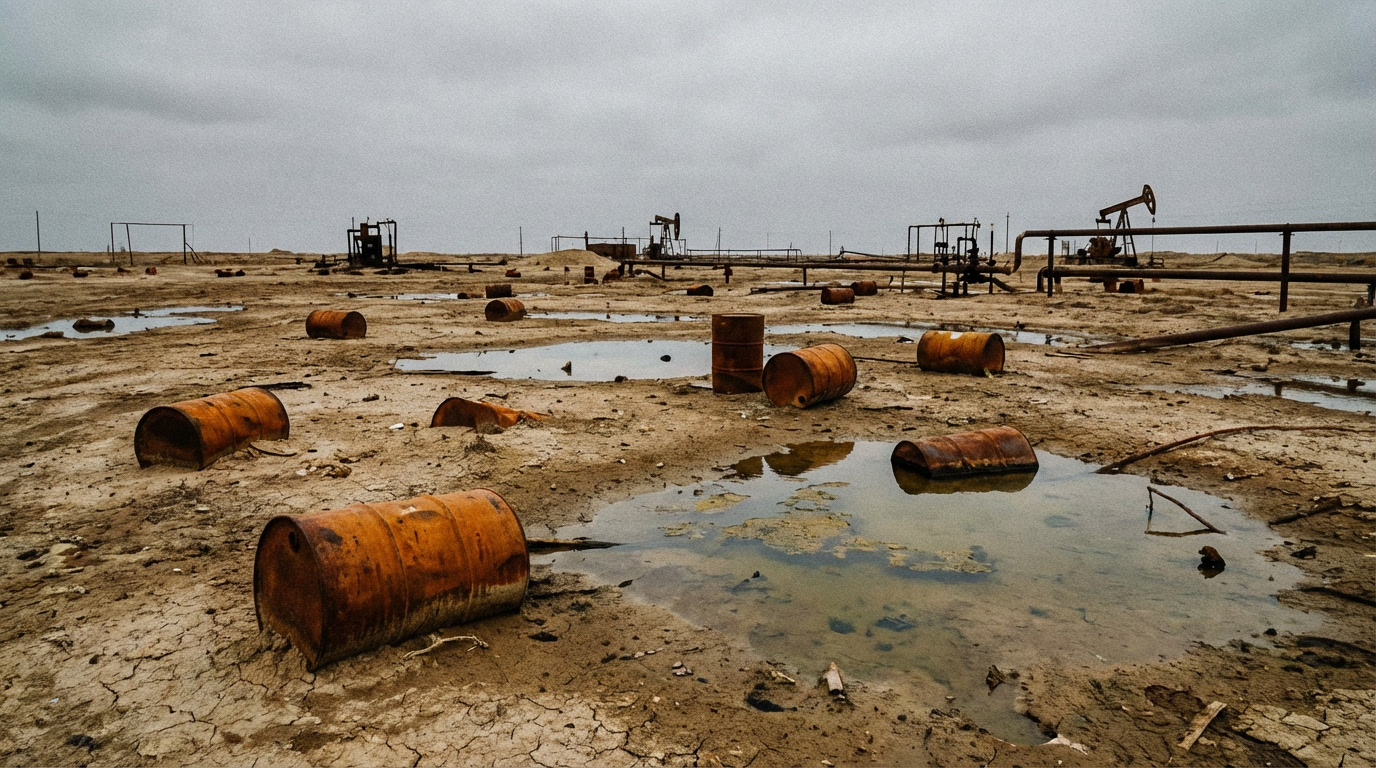
But beneath the city, nearly a kilometer underground, engineers have been doing something counter-intuitive: pumping water back into exhausted oil and gas fields.
The result? Skyscrapers stay upright. Flood defenses hold. A megacity quietly stops sinking.
Why Cities Sink in the First Place
Land subsidence is one of the least visible but most dangerous urban threats. It doesn’t crack the ground overnight. Instead, it creeps.

Doors stop closing properly. Roads buckle. Floodwaters reach higher than they did last year.
The main cause is simple physics:
- Cities pump groundwater, oil, and gas from underground reservoirs
- Removing fluids lowers pressure inside porous rock layers
- The rock framework compresses under the weight above
- The land surface slowly sinks
In places like Mexico City, subsidence once reached 40 cm per year. Parts of Shanghai dropped more than two meters in the 20th century. Jakarta is now sinking faster than sea levels are rising.

Once subsidence starts, it rarely stops on its own.
The Unusual Fix: Injecting Water Underground
Instead of extracting more, engineers began doing the opposite.
They drilled injection wells into depleted oil and gas reservoirs and pumped treated water back down under carefully controlled pressure. Originally, this technique was used to squeeze out remaining oil. But in dense urban regions, it had a second effect.
It helped hold the ground up.
By restoring pressure inside underground rock layers, water injection reduces further compression. The land doesn’t rebound like a sponge—but the rate of sinking slows dramatically.
Think of it as placing hydraulic supports under an entire city.
Shanghai’s Quiet Turnaround
Shanghai is one of the clearest examples of this approach working at scale.
By the 1980s:
- Excessive groundwater use and fossil fuel extraction had caused severe subsidence
- Flood risk along the Huangpu River was rising fast
From the 1990s onward:
- Groundwater pumping was restricted
- Water injection expanded into oil and gas reservoirs beneath the wider region
- Satellite and GPS monitoring tracked surface movement
The result was striking. Subsidence rates fell from centimeters per year to mere millimeters. In some districts, sinking nearly stopped.
It didn’t solve everything—but it bought time. Time to reinforce levees, redesign drainage systems, and adapt urban planning to a changing climate.
The Science Behind “Propping Up” a City
Rock layers underground behave like extremely stiff sponges.
- Their pores hold fluids
- Their skeleton carries weight
When fluid pressure drops, the skeleton takes more load and compresses. Injecting water raises pore pressure again, shifting some of that load back to the fluid.
The balance is delicate.
Inject too little, and subsidence continues.
Inject too fast, and you risk fractures or small earthquakes.
That’s why modern projects rely on:
- Satellite radar (InSAR)
- GPS stations
- Downhole pressure sensors
- Decades of historical well data
The work is quiet, slow, and intensely monitored.
Why This Doesn’t “Solve” the Problem Forever
Water injection is not a permanent fix. It’s a delay mechanism.
Deep clay layers may still creep. Sea levels keep rising. Urban weight keeps increasing.
What injection provides is time:
- Time to raise flood defenses
- Time to restrict groundwater extraction
- Time to redesign vulnerable neighborhoods
- Time to relocate critical infrastructure
In climate planning, time is often the most valuable resource.
As one engineer at a Jakarta workshop put it:
“What we sell cities isn’t a solution. It’s time for their children to still live here.”
Lessons for Other Sinking Cities
Cities considering this approach need more than pumps and pipes.
Successful programs follow strict rules:
- Establish long-term baseline measurements before injecting
- Use treated or chemically compatible water
- Stay well below rock fracturing pressures
- Monitor continuously with multiple systems
- Plan for decades, not political cycles
The biggest failures usually come from impatience, not bad engineering.
Living on Borrowed Height
Walking through a modern business district, it’s easy to forget that entire cities now rest on borrowed elevation. Marble floors, glass towers, and underground metros all depend on invisible pressure far below the surface.
Water injection turns old oil fields into silent guardians—but only as long as society keeps paying attention.
Cities are bets on the future.
And the ground remembers every drop we take out—and every one we put back.
FAQ:
Does pumping water into old oil fields really stop land subsidence?
It usually slows subsidence rather than fully stopping it. In many cities, rates have dropped dramatically—from centimeters per year to just millimeters—making flood protection and adaptation far more manageable.
Is this technique safe for people living above injection zones?
When carefully managed, yes. Problems arise when injection pressures are too high or monitoring is inadequate. That’s why modern projects rely on continuous measurement and conservative pressure limits.
Which cities already use this method?
Shanghai and parts of Mexico City are among the best-documented examples. Similar techniques are also used near Tokyo, Tianjin, and industrial zones in California.