The wall clock says you’ve been handed a free hour, but your body might not read the memo. When Daylight Saving Time wraps up, routines wobble, sleep gets weird, and suddenly it’s dark before dinner. In 2026, the switch happens on Sunday, November 1, and while it sounds minor, that one-hour rollback can ripple through your week if you’re not ready for it.
When the clocks change in 2026
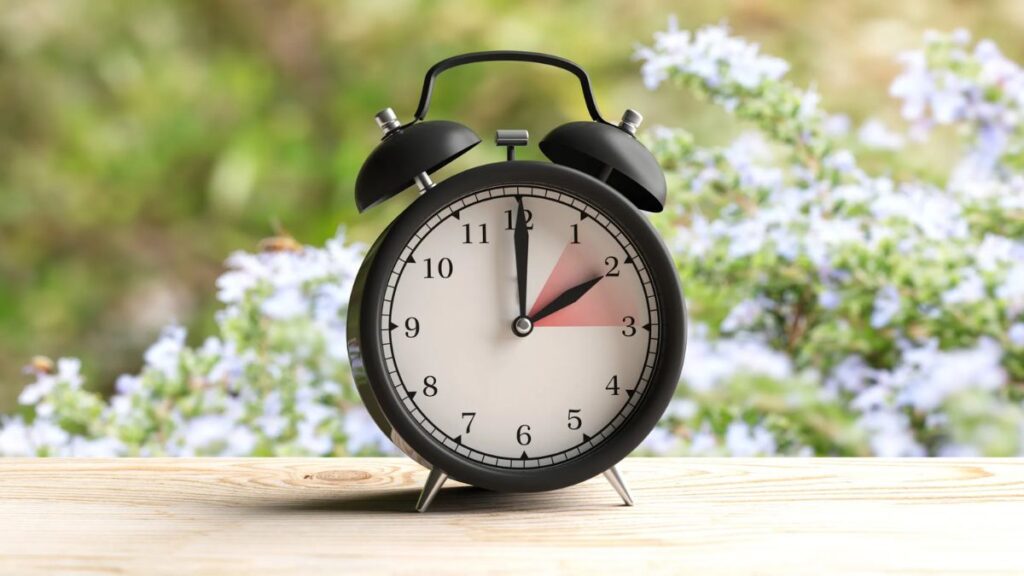
In the United States, Daylight Saving Time always ends on the first Sunday of November. This time around, that lands on November 1, 2026. At exactly 2:00 a.m. local time, clocks fall back one hour, returning us to Standard Time.

Most smartphones, laptops, and smartwatches will handle the change automatically by syncing with the official U.S. time signal maintained by the National Institute of Standards and Technology via time.gov. The old-school stuff, though—microwaves, ovens, car dashboards, wall clocks—still need human intervention. That’s where confusion creeps in.
A lot of people reset clocks before heading to bed Saturday night. It reduces the “wait, what time is it really?” moment on Sunday morning. Just remember: even if the clock adjusts instantly, your body clock doesn’t. That’s where the real challenge begins.
Why your body doesn’t love “falling back”

On paper, gaining an extra hour sounds like a win. In practice, your internal clock—your circadian rhythm—runs on habit, light exposure, and consistency. When sunset suddenly arrives earlier, your brain gets mixed signals.
Here’s what many people notice in the days after the switch:
Sluggish mornings and foggy thinking
Mood dips or mild irritability
Difficulty falling asleep at night
Early-morning wakeups
Worsening symptoms of seasonal affective disorder (SAD), especially in northern states

Research referenced by the Centers for Disease Control and Prevention shows that even small disruptions to sleep timing can affect attention, reaction speed, and emotional regulation. The fall transition is gentler than the spring “lost hour,” but it’s not nothing.
The sleep reset: how to make it smoother
If you want to avoid dragging through November like a zombie, preparation helps. Sleep specialists consistently recommend easing into the change instead of letting it hit all at once.
A few practical strategies that actually work:
Shift bedtime earlier by 15–20 minutes for several nights before November 1
Wake up at the same time every day, including Sunday
Get sunlight within an hour of waking to anchor your body clock
Limit screens at night; blue light delays melatonin release
Avoid caffeine after mid-afternoon
Keep naps short—20 minutes max, and not too late in the day
Morning light is especially powerful. Even a brisk walk or coffee by a sunny window can help reset your internal rhythm. Your brain responds to light more than clocks.
Darker evenings and real-world safety risks
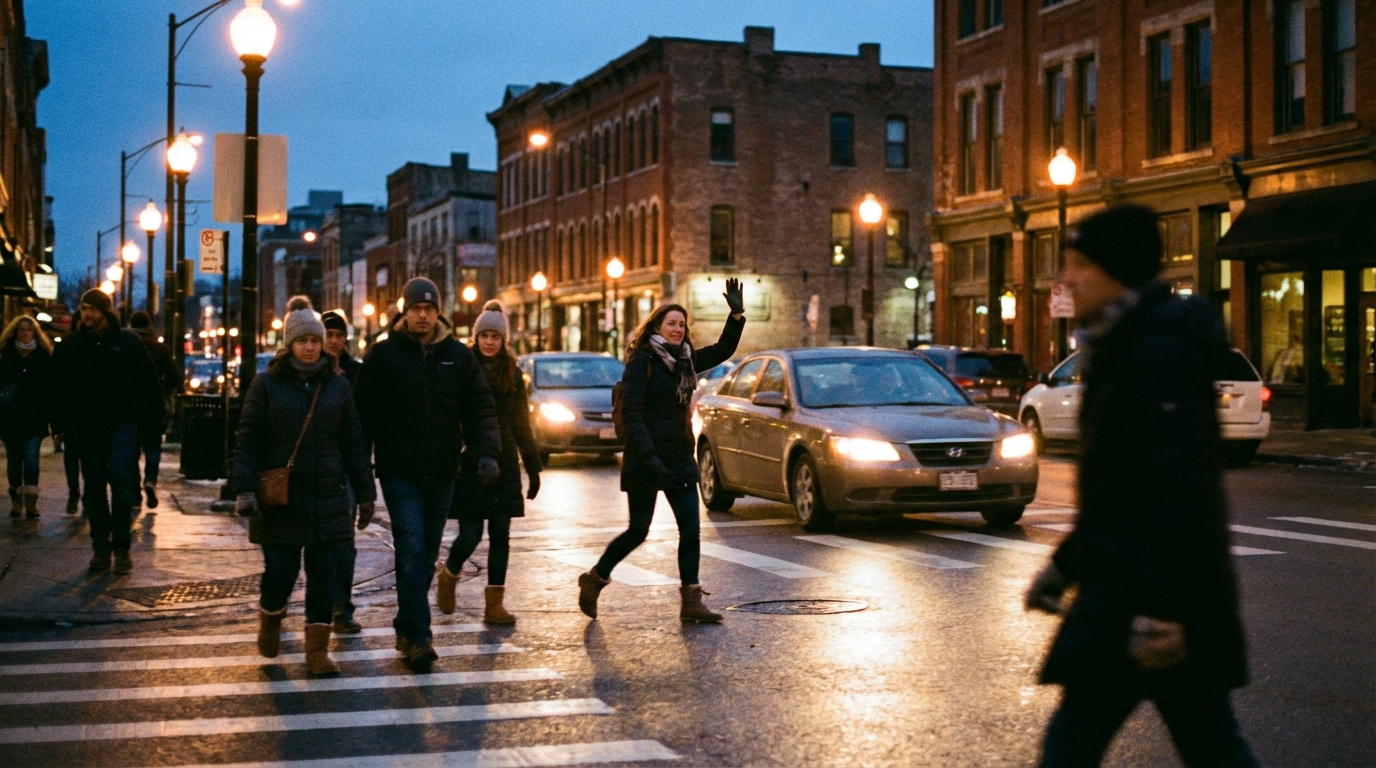
The end of Daylight Saving Time doesn’t just mess with sleep—it changes how we move through the world. With sunsets creeping earlier, evening commutes and school pickups suddenly happen in low light.
According to the National Highway Traffic Safety Administration, pedestrian accidents increase during darker evening hours, particularly in the weeks following the time change.
To reduce risk:
Wear reflective clothing when walking or biking
Turn headlights on earlier, even at dusk
Slow down in residential areas
Watch carefully for children near roads and bus stops
This is also why fire departments and safety agencies push the “change your clocks, change your batteries” message. The U.S. Fire Administration recommends testing smoke alarms and carbon monoxide detectors twice a year—Daylight Saving changes are the perfect reminder.
Who doesn’t change clocks at all
Not everyone in the U.S. plays the clock-shifting game. Hawaii and most of Arizona stay on Standard Time year-round (the Navajo Nation is the exception). U.S. territories including Puerto Rico, Guam, American Samoa, and the U.S. Virgin Islands also skip Daylight Saving Time entirely.
There’s been ongoing debate about ending the practice nationwide. The Sunshine Protection Act, which aimed to make Daylight Saving Time permanent, passed the Senate but stalled in the House. Supporters argue permanent DST could improve mental health and reduce traffic accidents. Critics point out that darker winter mornings could disrupt sleep and make early school hours tougher for kids.
For now, the biannual clock change remains the law of the land.
A simple checklist for Saturday night
Doing a few small things before bed on October 31 can save you stress on Sunday.
| Task | Why it helps |
|---|---|
| Set clocks back 1 hour | Prevents morning confusion |
| Test smoke alarms | Reduces fire-related risk |
| Adjust bedtime slightly earlier | Eases sleep disruption |
| Open curtains in the morning | Boosts alertness with natural light |
| Power down screens early | Supports healthy melatonin levels |
None of these take long, but together they make the transition feel far less jarring.
The bigger picture
The end of Daylight Saving Time is one of those quiet changes that sneaks up on you. It’s not flashy. There’s no countdown clock. But it touches everything—sleep, mood, safety, productivity.
Handle it intentionally, and that extra hour can feel like a gift instead of a groggy tax. Ignore it, and November starts with your body one step behind your schedule. Planning ahead makes all the difference.
FAQs:
When does Daylight Saving Time end in 2026?
It ends on Sunday, November 1, 2026, at 2:00 a.m. local time.
Do we gain or lose an hour when DST ends?
You gain one hour when clocks fall back.
Will my phone change automatically?
Yes, most modern devices update automatically using official time signals.